
The journal
Does Kafka have a dead-letter queue?
Short, practical answer with patterns: Kafka has no broker-level DLQ. Teams implement a DLQ as a topic, route failed records from consumers or frameworks, and replay safely later.
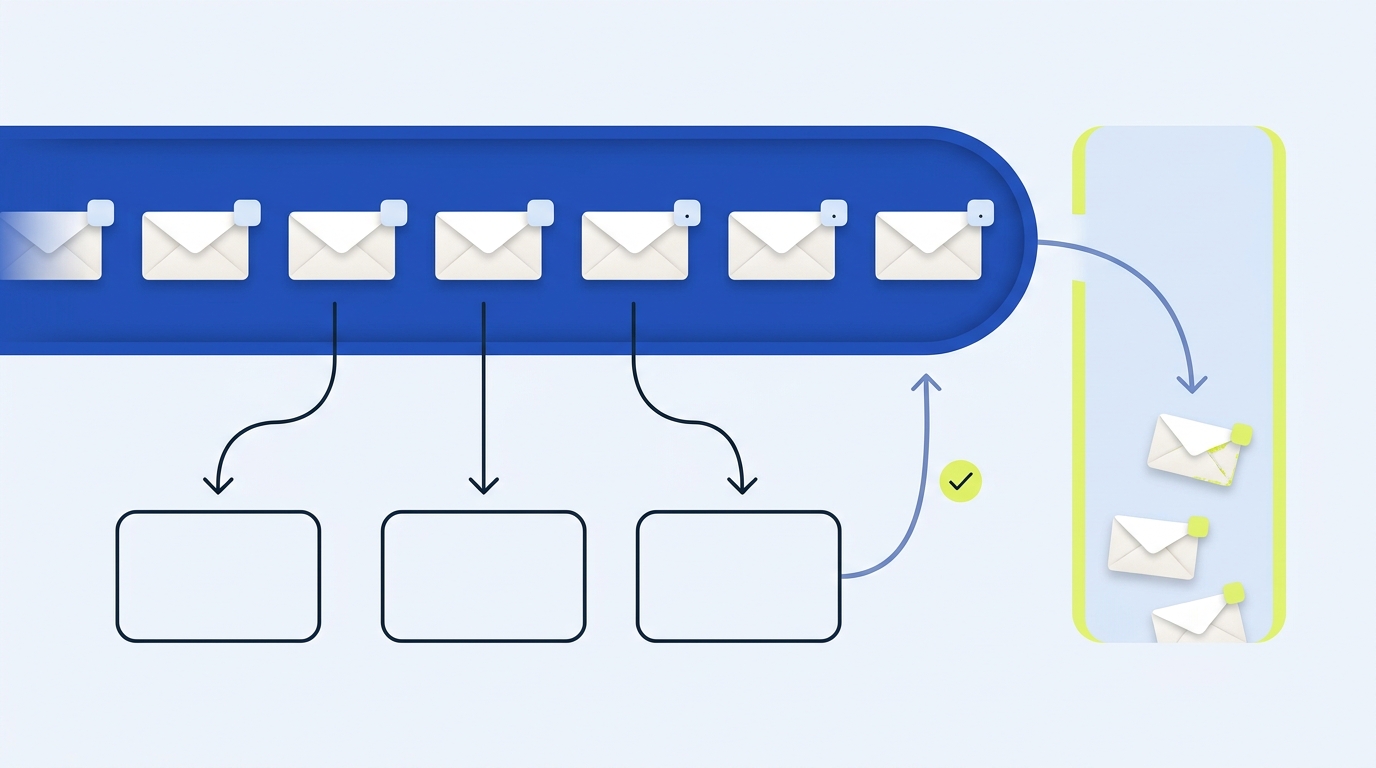
No. Apache Kafka brokers do not include a built-in, universal dead-letter queue. In practice, teams create a separate Kafka topic and route failed records there from their consumer logic or framework, then replay them later (https://www.confluent.io/learn/kafka-dead-letter-queue/).
What a Kafka DLQ actually is
A Kafka DLQ is just another topic that holds records a consumer could not process, so one bad record does not block a partition. The useful shape is the original payload plus enough error context to triage and safely replay later, such as source topic, partition and offset, failure reason, and attempt count (https://floriancourouge.com/en/blog/dead-letter-queues-kafka-patterns-production).
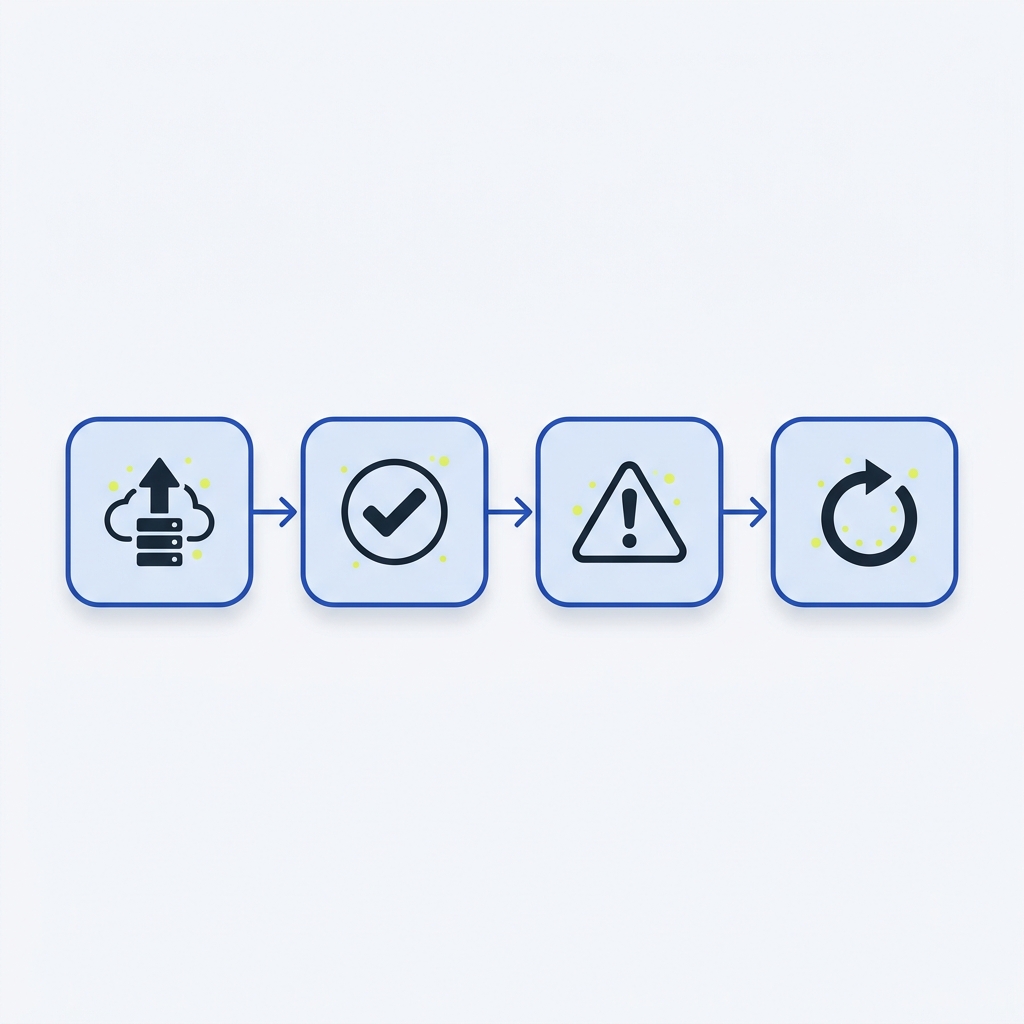
Where DLQ-like behavior exists in common stacks
- Kafka Connect: Sink connectors can route failed records to a DLQ using errors.deadletterqueue.* settings; this mechanism applies to sink-side conversion/transform failures, not source connectors (https://factorhouse.io/resources/kafka/tools/kafka-dlq-tools/).
- Spring Cloud Stream (Kafka binder): Can publish to a dead-letter topic and lets you customize topic naming and partitioning, but it intentionally does not prescribe how you handle or replay DLQ records, warning about potential replay loops and suggesting a parking-lot pattern for exhausted retries (https://docs.spring.io/spring-cloud-stream-binder-kafka/docs/current/reference/html/dlq.html).
- Kafka Streams: Since Apache Kafka 4.2 (KIP-1034), exception handlers can send failed records to a DLQ topic; on older versions you build a custom handler to write to a quarantine topic (https://factorhouse.io/articles/dead-letter-queues-kafka/).
Operational pattern that works under load
A practical, low-drama sequence looks like this:
- On failure, enrich the record with error metadata and publish it to a DLQ topic.
- Commit the main consumer offset so the partition can advance and healthy records keep flowing.
- Redrive later in a controlled way (small batches, backoff, and clear stop conditions). Spring Cloud Stream’s reference shows rerouting from a dead-letter topic and moving exhausted retries to a “parking lot” to avoid infinite loops (https://docs.spring.io/spring-cloud-stream-binder-kafka/docs/current/reference/html/dlq.html). For production patterns and pitfalls such as ordering and replay loops, see (https://factorhouse.io/articles/dead-letter-queues-kafka/).
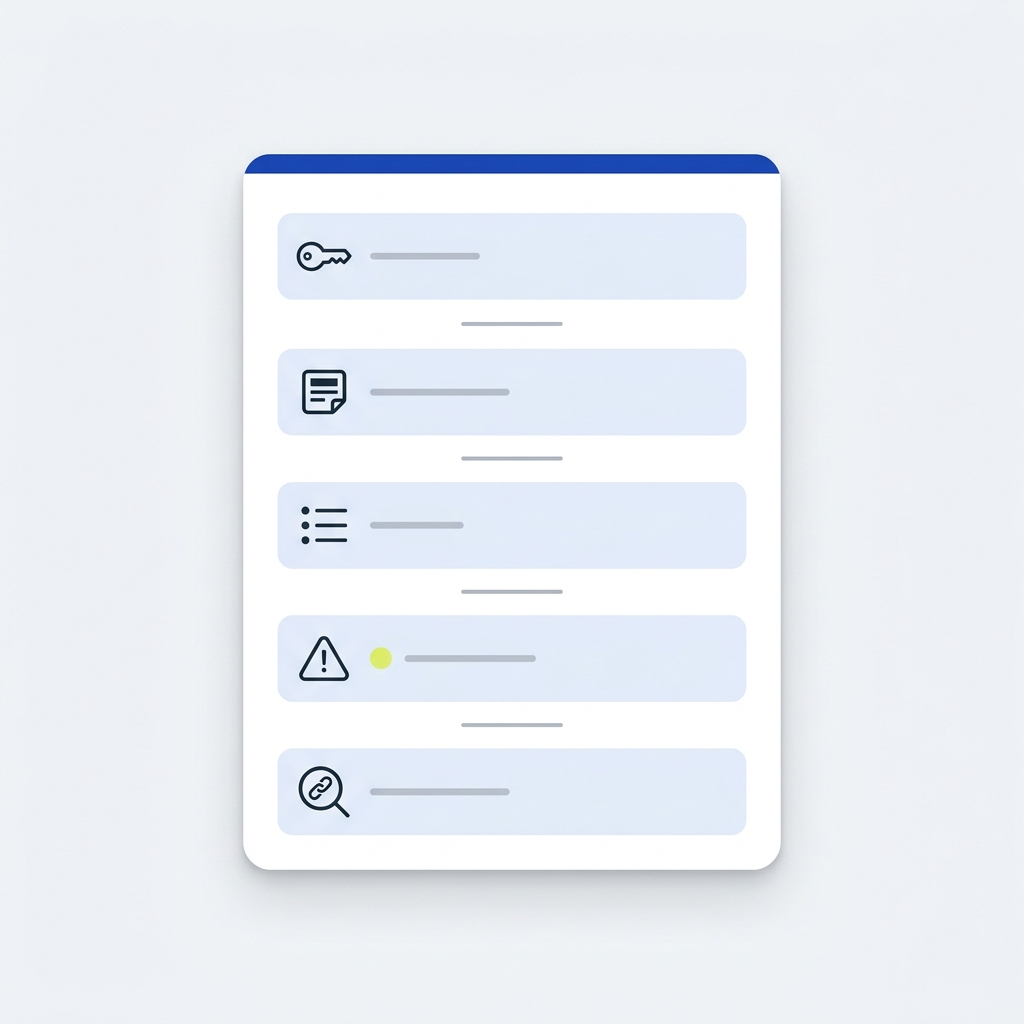
Layout and retention choices
- Per-consumer-group DLQs simplify ownership, triage and targeted replays; a shared “global” DLQ quickly becomes noisy and ambiguous (https://floriancourouge.com/en/blog/dead-letter-queues-kafka-patterns-production).
- Partitions and keys: Preserve the original message key and ensure the DLQ has at least as many partitions as the source if you care about per-key ordering on replay (https://docs.spring.io/spring-cloud-stream-binder-kafka/docs/current/reference/html/dlq.html).
- Retention: Set a retention that matches your investigation window; monitor both depth and the age of the oldest unprocessed DLQ record (https://factorhouse.io/articles/dead-letter-queues-kafka/).
Create and operate a Kafka dead-letter topic
Replay safely: avoid loops, duplicates and surprises
- Avoid replay loops: Cap retries and route exhausted messages to a parking lot or DLQ; the Spring Cloud Stream docs explicitly warn that naive rerouting can loop forever (https://docs.spring.io/spring-cloud-stream-binder-kafka/docs/current/reference/html/dlq.html).
- Targeted replay: Prefer replaying into a retry topic that only the affected consumer reads, rather than the main topic, to avoid re-invoking other consumers (https://factorhouse.io/articles/dead-letter-queues-kafka/).
- Idempotency first: If your handler triggers side effects, build idempotency around a stable key so replays cannot double-charge or double-notify. See our primer on idempotency keys for practical patterns: Idempotency keys: safe retries without duplicate actions.
- Retries with judgment: Use bounded retries with backoff for transient failures; our guidance on when to retry server errors gives practical thresholds: Should we retry on 500?
Common pitfalls to watch for
- Assuming Kafka has a broker toggle for DLQ: It does not; you implement and operate it yourself (https://www.confluent.io/learn/kafka-dead-letter-queue/).
- Confusing Connect coverage: DLQ routing in Connect covers sink-side conversion/transform errors; it is not a universal safety net for all task failures or for source connectors (https://factorhouse.io/resources/kafka/tools/kafka-dlq-tools/).
- Ordering loss on replay: Changing keys or partition counts between source and DLQ breaks per-key ordering; keep keys and partitions aligned (https://docs.spring.io/spring-cloud-stream-binder-kafka/docs/current/reference/html/dlq.html).
- Schema traps: If deserialization failed, writing the DLQ payload as raw bytes with error headers avoids a second failure on the DLQ itself (https://factorhouse.io/articles/dead-letter-queues-kafka/).
FAQ
Does Kafka have a broker-level DLQ I can enable?
No. You implement a DLQ as a topic and route failures from your consumer or framework (https://www.confluent.io/learn/kafka-dead-letter-queue/).
Can Kafka Connect send failed records to a DLQ automatically?
Yes for sink connectors via errors.deadletterqueue.*; this does not cover source connectors (https://factorhouse.io/resources/kafka/tools/kafka-dlq-tools/).
What about Kafka Streams?
From Apache Kafka 4.2, exception handlers can emit DLQ records directly; earlier versions require a custom handler (https://factorhouse.io/articles/dead-letter-queues-kafka/).

Related guides
Sources and further reading
- Dead-Letter Topic Processing (Spring Cloud Stream Kafka binder)
- Kafka Dead Letter Queues: Routing, Retries and Replay - Florian Courouge
- Kafka dead letter queue tools | Factor House
- Kafka dead letter queue (DLQ): patterns, pitfalls | Factor House
- Apache Kafka Dead Letter Queue: A Comprehensive Guide (Confluent)