
The journal
What are OAuth scopes used for?
A clear explanation of what OAuth scopes are used for, how they fit into the flow, and practical steps to design, enforce, and test them.
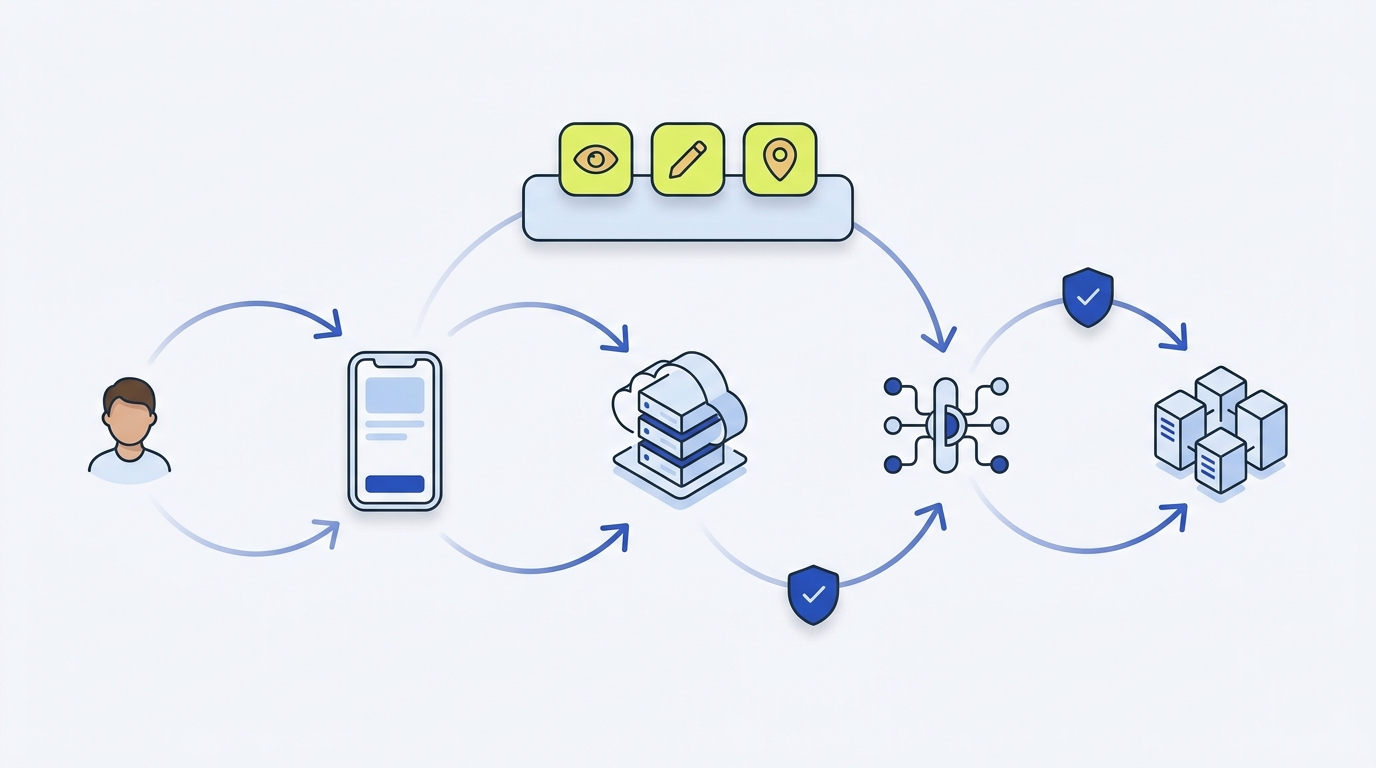
OAuth scopes are used to limit what an access token can do. They are named permissions that a client requests and that an authorization server may grant; resource servers then check the token’s scopes on each request to decide whether to allow it Auth0: Scopes, MojoAuth: OAuth scopes.
Where scopes fit in the flow
During authorization, a client includes a space-separated scope list in the request (for example, scope=orders:read profile). The authorization server may grant all, some, or none, and the access token (and often the token response) reflects the scopes that were actually granted. The API reads those scopes from the token or introspection and enforces them on every call MojoAuth: OAuth scopes, Auth0: Scopes.
Requested vs granted
Apps often receive fewer scopes than requested due to user or server policy. Your app should detect this and handle reduced permissions gracefully, or ask for broader scopes later only when needed Auth0: Scopes.
OAuth API scopes vs OpenID Connect scopes
OAuth API scopes authorize access to data or actions in an API. OpenID Connect scopes (like openid, profile, email) request identity information and an ID token and are different in purpose from API permissions Auth0: Scopes, MojoAuth: OAuth scopes.
Designing scopes that are practical to enforce
- Use least privilege: request and grant only what the feature needs; add more later if necessary Auth0: Scopes.
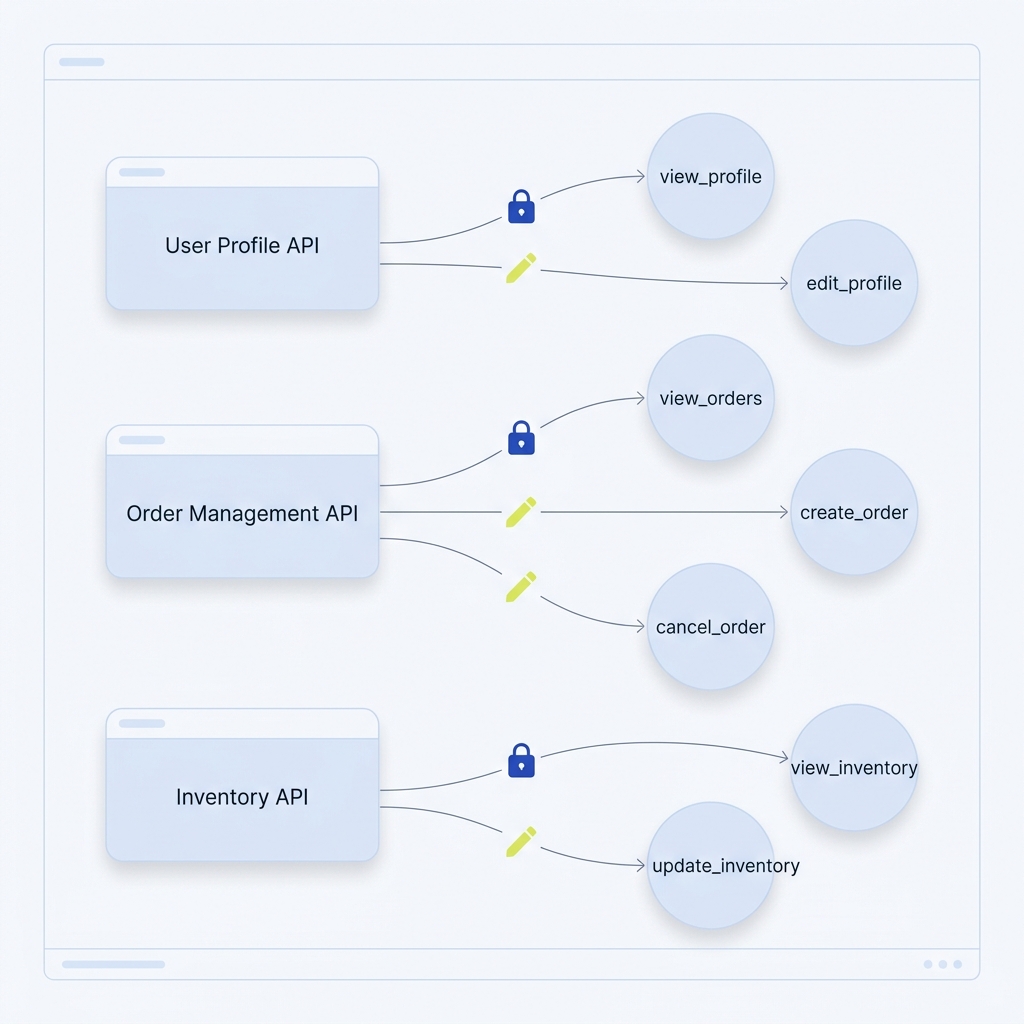
- Name scopes by resource and action (for example, files.read, files.write) so enforcement is straightforward MojoAuth: OAuth scopes.
- Keep the set small enough for users and reviewers to understand MojoAuth: OAuth scopes.
A concrete example
Google Cloud Storage publishes scoped permissions that map cleanly to actions: read-only (list/read), read-write (read/change data), and full-control (data and IAM changes). These illustrate clear, enforceable scope boundaries an API can model Google Cloud Storage OAuth scopes.
Enforcing scopes in gateways and services
Pick a consistent enforcement point (API gateway, middleware, or each resource server) and verify the token includes the required scope before running protected logic. Gateways and API products commonly let you bind required scopes to specific methods or resources, which helps centralize checks IBM: Defining OAuth 2.0 scopes in API Gateway.
When a token lacks a required scope, the API should reject the call and return a clear error. Many implementations use HTTP 403 and the insufficient_scope error code from the bearer token spec; logging denials with context aids debugging and audits MojoAuth: OAuth scopes.
Example mapping
Map read endpoints to a read scope and write endpoints to a write scope. This mirrors the Google Storage pattern and keeps checks mechanical and auditable Google Cloud Storage OAuth scopes.
Testing scope behavior
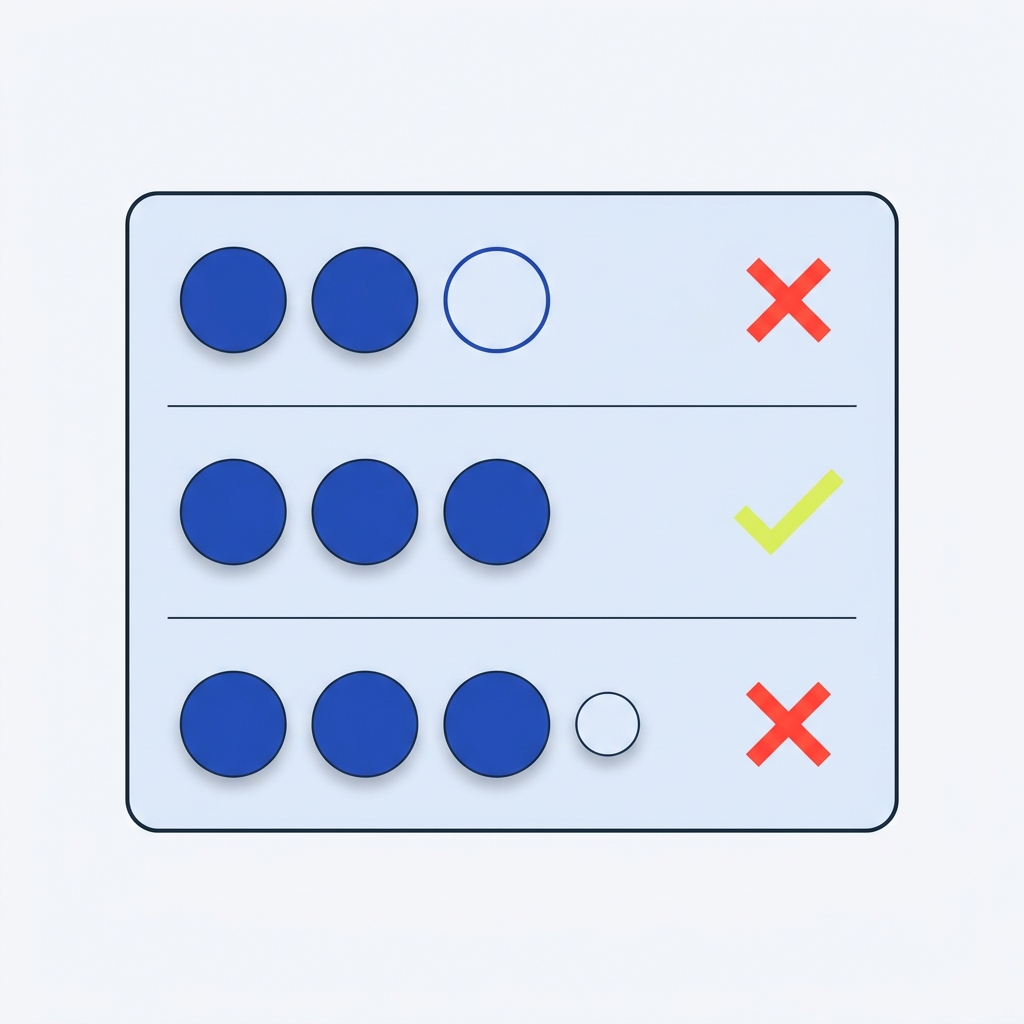
- Call each protected endpoint with no scopes, with exactly the required scopes, and with unrelated extra scopes. Verify denies and allows match expectations IBM: Defining OAuth 2.0 scopes in API Gateway.
- Assert consistent error codes/messages for missing scopes to simplify client handling MojoAuth: OAuth scopes.
- Automate tests at the gateway layer and at service entry points if you enforce in multiple places.
If your app must keep long-lived access, see our guide on how to refresh an OAuth token and consider refresh token rotation for better security.
Scope enforcement and test checklist
FAQ
Do scopes authenticate a user?
No. Scopes control what an access token can do at an API. Identity-related scopes in OpenID Connect request user information and an ID token, but they are distinct from API permissions Auth0: Scopes, MojoAuth: OAuth scopes.
What happens if a token lacks the required scope?
The API should deny the request and surface a clear error. Many implementations use HTTP 403 with insufficient_scope so clients can respond correctly MojoAuth: OAuth scopes.
