
The journal
What is an API timeout? Practical guidance for small teams
A clear explanation of API timeouts with practical steps to set, align and test them across clients, gateways and servers.
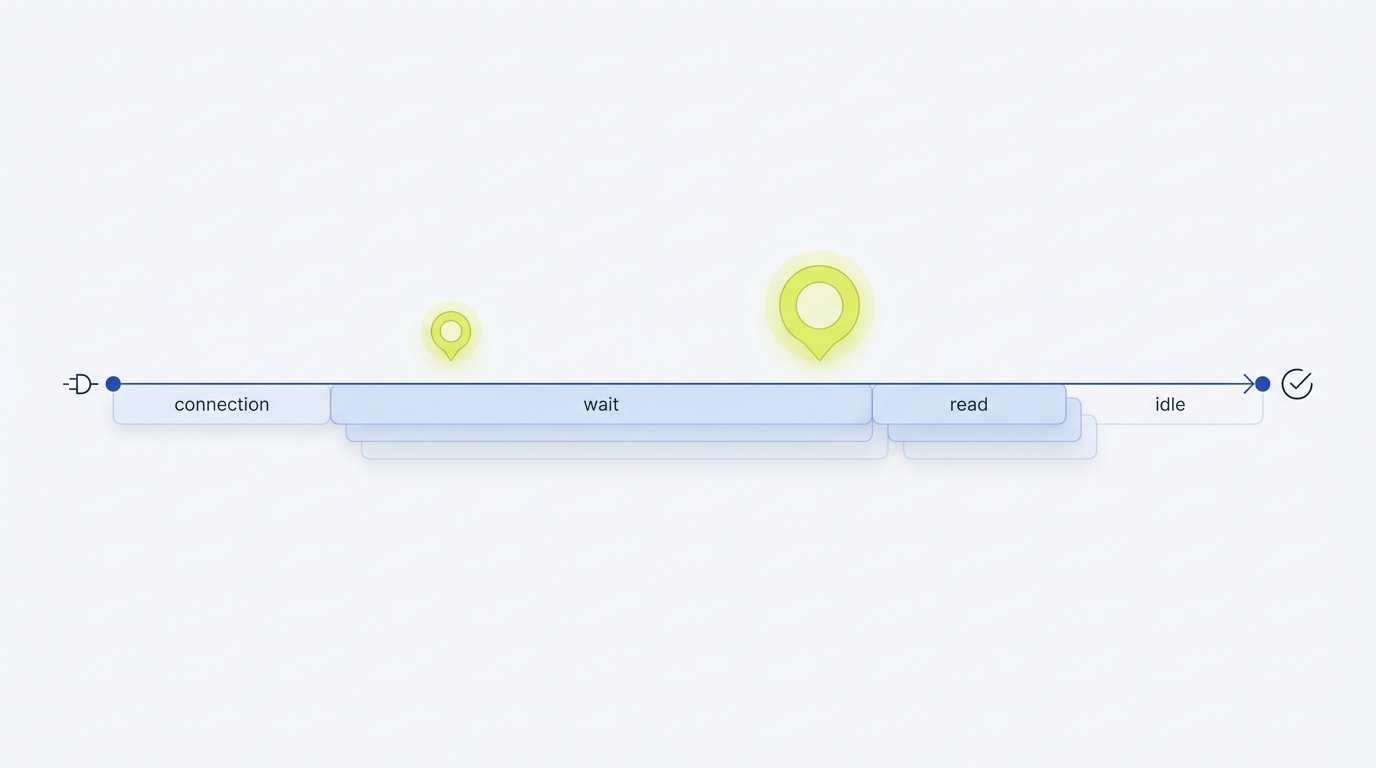
An API timeout is a configured time limit after which a client, gateway or server aborts an API call to avoid waiting indefinitely and to free resources for other work (https://www.sportmonks.com/glossary/api-timeout-2/, https://apisyouwonthate.com/blog/taking-a-timeout-from-poor-performance/).
Why timeouts matter
Without explicit timeouts, calls can hang, tie up connections or threads, and create cascading slowdowns when one dependency misbehaves (https://apisyouwonthate.com/blog/taking-a-timeout-from-poor-performance/). Timeouts keep performance predictable and protect system stability by failing fast when a request exceeds agreed limits (https://www.sportmonks.com/glossary/api-timeout-2/).
The common timeout types to configure
Connection (open) timeout
How long the client will wait to establish the connection (DNS + TCP/handshake). If the server is unreachable or too busy to accept connections, this fires before any response bytes are read (https://apisyouwonthate.com/blog/taking-a-timeout-from-poor-performance/, https://www.sportmonks.com/glossary/api-timeout-2/).
Read/response timeout
How long the client will wait to receive response data after the connection is open. It covers slow application work and slow transfers, distinct from the connection phase (https://apisyouwonthate.com/blog/taking-a-timeout-from-poor-performance/, https://www.sportmonks.com/glossary/api-timeout-2/).
Gateway or intermediary timeout
API gateways, CDNs and load balancers often enforce their own limits. The effective maximum wait time is typically the smallest timeout across client, gateway and backend (https://www.sportmonks.com/glossary/api-timeout-2/). Some CDN or proxy layers also apply their own idle/origin thresholds; for example, one provider documents Cloudflare-backed nodes returning a 524 error around 100 seconds for long requests (https://docs.apiyi.com/en/faq/timeout-configuration).
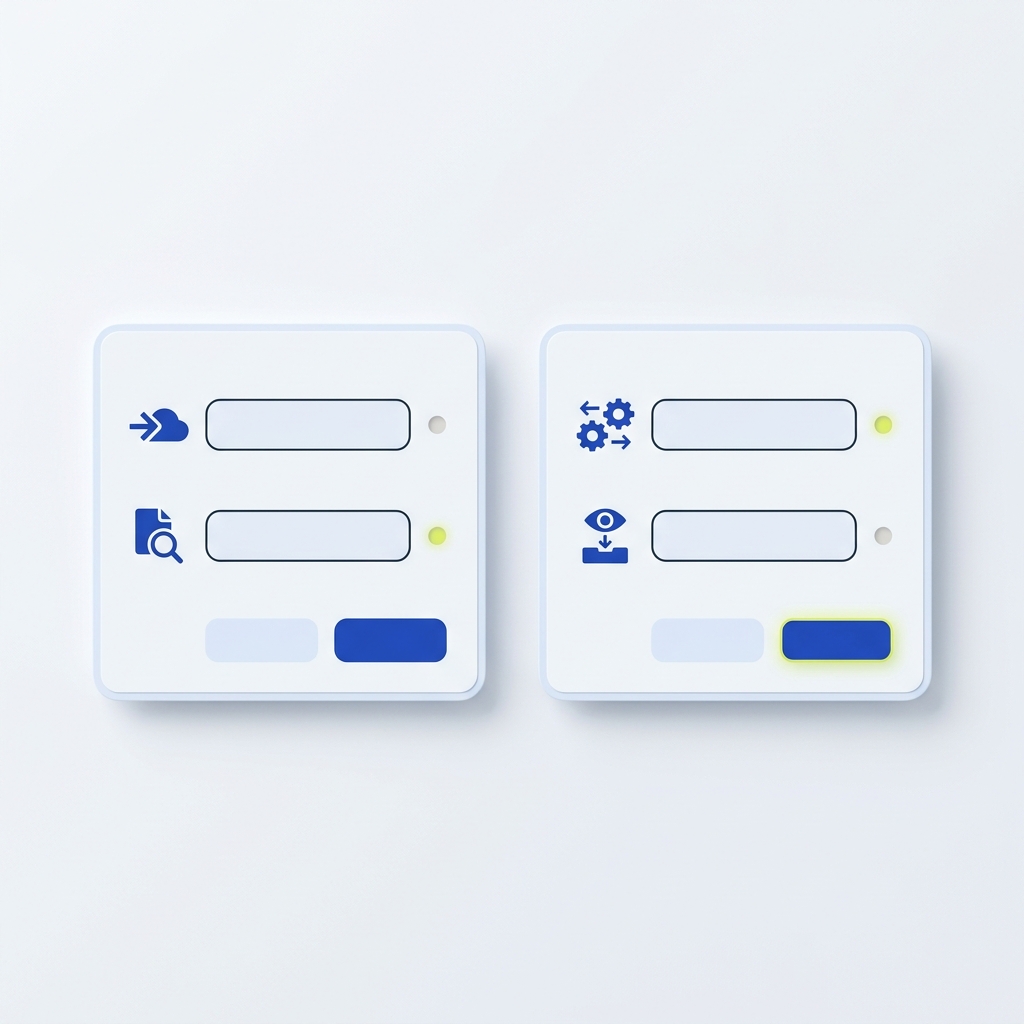
Why API requests time out in the real world
Overload or slow upstream work
Backends can be overloaded, run inefficient code or make heavy database calls. External dependencies may also be slow, pushing your request past its time budget (https://www.sportmonks.com/glossary/api-timeout-2/).
Network variability
Slow or lossy routes, DNS hiccups and congestion delay the connection or response phases and increase timeout risk (https://www.sportmonks.com/glossary/api-timeout-2/).
Synchronous designs under real load
When you submit data synchronously and wait for downstream systems to finish complex work, occasional spikes or heavier payloads can exceed practical limits. Shifting long-running operations to an async or queued workflow reduces exposure to timeouts (https://www.contactformtoapi.com/contact-form-7-api-timeout/).
How to choose and align sensible timeout values
Start from measurements, not guesses
Measure typical and high-percentile latencies for your endpoints under normal load. Set timeouts above your high-percentile baseline so normal spikes succeed, and outliers fail fast. Avoid tuning to averages; percentiles reflect tail behavior better (https://apisyouwonthate.com/blog/taking-a-timeout-from-poor-performance/).
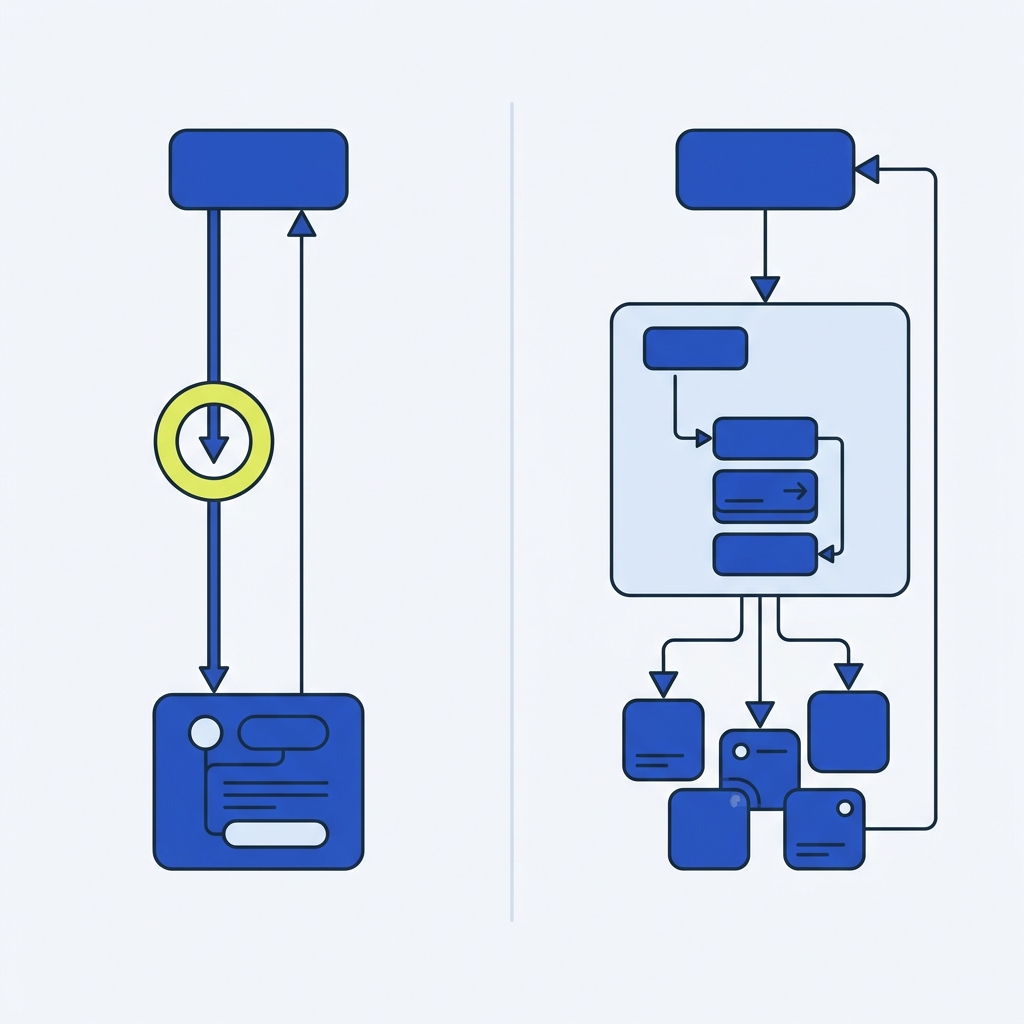
Set timeouts in every layer and keep them coherent
Configure explicit timeouts in your client, gateway and server. Misalignment leads to confusing outcomes, like a gateway cutting a response before the client’s own timeout. Remember the smallest configured timeout usually wins in layered systems (https://www.sportmonks.com/glossary/api-timeout-2/). Also note that some providers may continue processing after your client disconnects, which can still consume resources or incur charges; check your vendor’s behavior (https://docs.apiyi.com/en/faq/timeout-configuration).
Logging, retries and backoff
Log timeout cause and duration on both sides so you can tell which layer aborted. Add retries with exponential backoff only for idempotent operations to avoid duplicate effects; see our primer on idempotency keys. When timeouts correlate with repeated failures, consider circuit breakers to shed load and protect your service (https://apisyouwonthate.com/blog/taking-a-timeout-from-poor-performance/). For retry decisions on server errors, see Should we retry on 500?
Audit and fix your API timeouts this week
Common mistakes and how to avoid them
Relying on permissive defaults
Many HTTP clients wait indefinitely unless you configure timeouts. Set both connection and read timeouts explicitly (https://apisyouwonthate.com/blog/taking-a-timeout-from-poor-performance/).
Ignoring intermediary limits
Gateways, CDNs and proxies can have their own caps and idle timeouts. If they are shorter than your client’s, they will terminate the call first (https://www.sportmonks.com/glossary/api-timeout-2/, https://docs.apiyi.com/en/faq/timeout-configuration).
Overzealous retries
Unbounded retries can create a retry storm and worsen outages. Restrict retries to idempotent requests and use exponential backoff or circuit breakers (https://apisyouwonthate.com/blog/taking-a-timeout-from-poor-performance/).
Assuming work stops when the client times out
Some providers continue processing even after a client disconnects; confirm behavior and potential cost impacts in vendor docs (https://docs.apiyi.com/en/faq/timeout-configuration).

Short FAQ
Is a timeout the same as a 504?
Related but not identical. A 504 Gateway Timeout means a gateway did not receive a timely response from an upstream server (https://www.sportmonks.com/glossary/api-timeout-2/). A client-side timeout aborts waiting on the client.
Should I use the same timeout everywhere?
No. Set explicit timeouts in each layer and keep them coherent. The effective wait time is usually constrained by the smallest value in the chain (https://www.sportmonks.com/glossary/api-timeout-2/).
What if long responses are normal for my use case?
Prefer streaming or async/queued designs for long-running work to reduce the need for very large synchronous timeouts (https://www.contactformtoapi.com/contact-form-7-api-timeout/).